
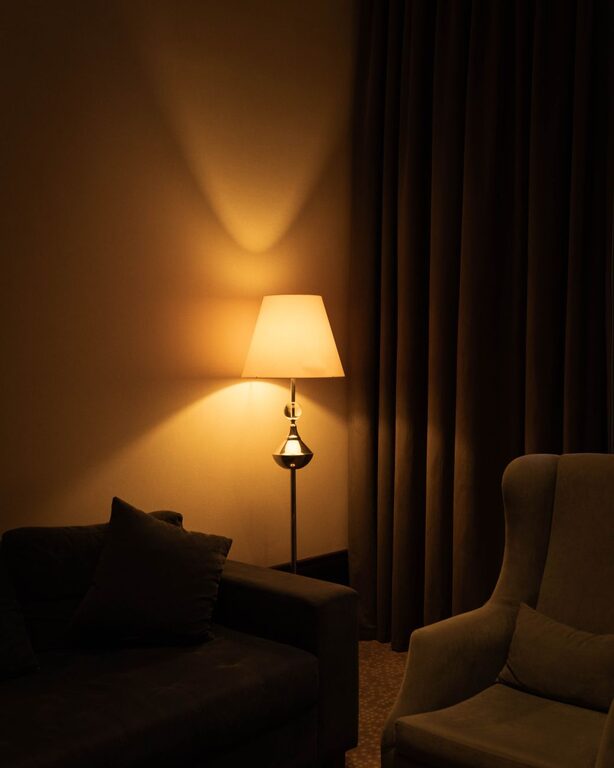
Why Comfortable Lighting Matters
Good lighting can make a home feel welcoming, practical, and relaxing. It helps you see clearly, supports everyday activities, and influences the mood of each room. The most comfortable lighting plan is rarely based on one bright ceiling fixture. Instead, it combines several light sources that work together.
When choosing lighting, consider how a room is used, how much natural light it receives, and the atmosphere you want to create. A kitchen may need bright, focused light for food preparation, while a bedroom may benefit from softer illumination that helps the space feel calm.
Start With the Room’s Purpose
Before buying a lamp or fixture, think about what you do in the room. Different activities require different types of light.
Living Rooms
Living rooms often serve several purposes, including relaxing, reading, entertaining, and watching television. A combination of ceiling lights, table lamps, floor lamps, and wall lights can provide flexibility.
Use general lighting for movement and conversation, then add lamps near sofas or chairs for reading. Soft light placed behind or beside a television can also reduce the contrast between the bright screen and a dark room.
Kitchens
Kitchens usually need clear, even lighting. A central ceiling fixture may provide general light, but it can leave shadows on countertops. Under-cabinet lights can brighten work surfaces without taking up valuable space.
Pendant lights over an island or dining area can add focused illumination and visual interest. Choose fixtures that are easy to clean, especially in areas where cooking may create grease or dust.
Bedrooms
Bedrooms benefit from gentle, adjustable lighting. Bedside lamps are useful for reading, while a dimmable ceiling fixture can provide general light when needed. Avoid placing very bright lights directly above the bed if you prefer a relaxed atmosphere.
Closet lighting is another practical addition. Small, well-positioned lights can make it easier to find clothing without requiring a bright central fixture.
Bathrooms
Bathrooms need good visibility for grooming and other daily tasks. A ceiling fixture can provide general light, while fixtures near the mirror can reduce shadows on the face.
Choose lighting designed for bathroom use and follow the manufacturer’s safety instructions. The fixture’s location and installation requirements matter, particularly near water.
Use Layers of Light
A comfortable lighting plan usually includes three layers: ambient, task, and accent lighting.
– Ambient lighting provides overall illumination. Examples include ceiling fixtures, recessed lights, and chandeliers.
– Task lighting focuses on a specific activity. Examples include desk lamps, reading lamps, and under-cabinet lights.
– Accent lighting highlights decorative features, artwork, plants, or architectural details.
Layering allows you to adjust the room for different situations. You can use all three layers when cleaning or hosting guests, then turn off the brighter sources and keep a lamp or accent light on for a quieter evening.
Choose the Right Color Temperature
Light bulbs are available in different color temperatures, usually described in Kelvin. Lower numbers produce warmer, more yellow light, while higher numbers create cooler, bluer light.
Warm white light is often comfortable in living rooms, bedrooms, and dining areas. It can make these spaces feel inviting and relaxed. Neutral or cool white light may work well in kitchens, home offices, laundry rooms, and other areas where clear visibility is important.
Try to keep the color temperature consistent within a small area. Mixing noticeably warm and cool bulbs in the same room can make the lighting feel uneven. However, different rooms can use different color temperatures based on their purpose.
Pay Attention to Brightness
Brightness is commonly measured in lumens. A higher lumen rating means the bulb produces more light, but more light is not always better. Excessive brightness can cause glare and make a room feel harsh.
Consider the size and color of the room. Dark walls and furniture absorb more light, while pale surfaces reflect it. A small room with light-colored walls may need less brightness than a larger room with darker finishes.
Dimmable fixtures and bulbs are especially useful because they allow you to change the brightness throughout the day. Before purchasing, confirm that the bulb, fixture, and dimmer are compatible.
Reduce Glare
Glare occurs when a light source is too bright or shines directly into your eyes. It can make a room uncomfortable and make screens or glossy surfaces difficult to see.
To reduce glare:
– Choose lamps with shades or diffusers.
– Avoid placing bare bulbs at eye level.
– Position desk lamps so light falls across the work surface.
– Use curtains or blinds to control strong daylight.
– Place ceiling fixtures where they will not reflect directly off screens.
– Select matte finishes for shades and nearby surfaces when possible.
A fixture can look attractive in a store but feel uncomfortable once installed. If possible, check how the light spreads and whether the bulb is visible from common seating positions.
Select Fixtures That Fit the Space
The size and shape of a fixture affect both comfort and appearance. A very small fixture may not provide enough light, while an oversized fixture can dominate the room.
For hanging lights, make sure there is enough clearance for people to walk beneath them. Over a dining table or kitchen island, the fixture should provide useful light without blocking views across the surface.
Floor and table lamps should be stable and placed where cords will not create a tripping hazard. Consider the height of the lamp as well. A shade should direct light where it is needed without shining directly into someone’s eyes.
Make Natural Light Part of the Plan
Natural light changes throughout the day, so it should be considered alongside electric lighting. Arrange furniture to take advantage of daylight while avoiding direct glare on television and computer screens.
Light-colored curtains can soften strong sunlight while still allowing some daylight into the room. Mirrors and pale surfaces can help distribute natural light, although reflective materials should be positioned carefully to prevent glare.
As daylight fades, layered electric lighting can gradually take over. This creates a smoother transition than switching on one very bright overhead fixture.
Consider Smart and Portable Options
You do not need a complicated system to make lighting more convenient. Simple timers, smart bulbs, and remote controls can help you adjust lights without getting up.
Portable lamps are also useful because they make it easy to test lighting in different locations. A rechargeable lamp can provide flexible light on a shelf, balcony, entryway, or dining table without requiring a permanent installation.
If you use smart bulbs, choose controls that are easy for everyone in the household to understand. Convenience should support comfort, not make everyday lighting difficult.
Test Before Making a Final Choice
Lighting can look different depending on the room, wall color, furniture, and time of day. When possible, test a bulb or fixture before purchasing several of the same type.
Check the room in the morning, afternoon, and evening. Notice whether the light feels too bright, too dim, too yellow, or too blue. Sit in the areas where people spend the most time and look toward the fixture from different angles.
A comfortable home usually has lighting that can change with the activity. By combining suitable brightness, thoughtful placement, layered sources, and adjustable controls, you can create rooms that are both functional and inviting.