
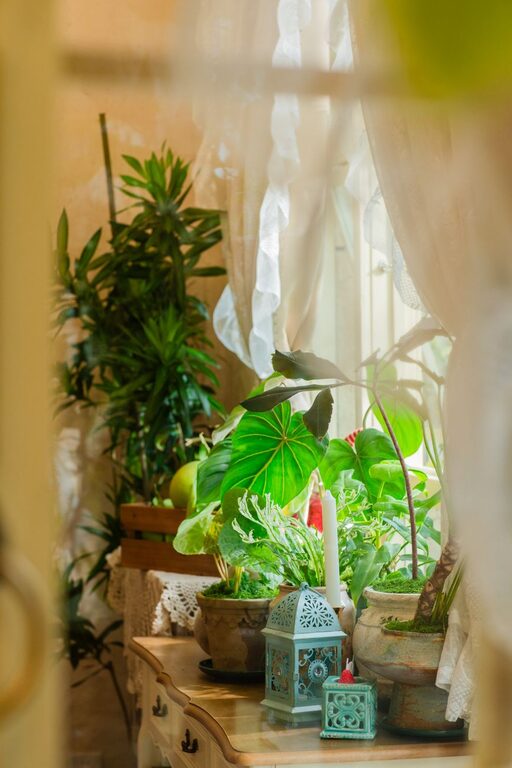
Plants are one of the easiest ways to refresh your home. They add color, texture, and natural character without requiring a major renovation. A leafy plant can soften an empty corner, while a small collection of pots can make a shelf feel more welcoming.
The best results come from choosing plants that suit your space and lifestyle. With a few thoughtful decisions about placement, containers, and care, you can create a home that feels brighter, calmer, and more personal.
Start With Your Space
Before buying plants, take a quick look around your home. Notice which areas receive bright light, indirect light, or very little natural light. Also consider temperature, airflow, and how much room is available.
Check the Light
Light is one of the most important factors in plant care. Observe your rooms at different times of day and note how much sunlight reaches each area.
– Bright direct light: Sunny windows and rooms with strong afternoon light are often suitable for plants that enjoy plenty of sun.
– Bright indirect light: Areas near windows but protected from harsh rays work well for many popular houseplants.
– Low light: Hallways, offices, and corners far from windows may need plants that tolerate less light.
If a room is very dark, consider using a simple grow light or placing plants closer to a window. Avoid choosing a plant based only on its appearance. A beautiful plant will not thrive if its growing needs do not match the room.
Consider Available Space
Think about the size and shape of each area. A tall plant can fill an unused corner, while a small plant may be better for a desk, nightstand, or kitchen shelf.
Keep walkways clear and avoid placing plants where they can easily be knocked over. In homes with children or pets, choose stable locations and secure tall containers when necessary.
Choose Plants for Different Rooms
Each room offers different opportunities for adding greenery. You do not need plants everywhere. A few well-placed choices can have a stronger effect than a crowded collection.
Living Room
The living room is often the best place for a larger statement plant. Try placing one beside a sofa, near a bright window, or in an empty corner.
Good options may include:
– Snake plants for a strong, upright shape
– Rubber plants for broad, glossy leaves
– Pothos for trailing growth on a shelf or plant stand
– Fiddle leaf figs for a bold focal point in a bright space
Use one large plant as an anchor, then add smaller plants at different heights. This creates variety without making the room feel cluttered.
Kitchen
The kitchen is a natural place for small plants and herbs. Place them on a sunny windowsill, open shelf, or countertop where they will not interfere with food preparation.
Herbs such as basil, mint, rosemary, and thyme can add color and seasonal interest. Keep pots away from heat sources, splashing water, and areas where leaves may be damaged during cooking.
Bedroom
A few simple plants can make a bedroom feel more finished. Choose low-maintenance varieties and place them on a dresser, shelf, or small table.
Avoid filling every surface. One medium plant in a corner and a smaller plant near a window may be enough to add warmth while keeping the room tidy.
Bathroom
Bathrooms can offer moisture and filtered light, which some tropical plants enjoy. Ferns, spider plants, and certain varieties of philodendron may work well when placed near a window.
Make sure the room has enough light and airflow. If the bathroom has no window, rotate plants from brighter areas or use a suitable grow light.
Use Containers as Decor
Plant containers are part of the overall design. They can match your furniture, add contrast, or introduce a new color to the room.
For a coordinated look, choose pots in a similar material or color. For a more relaxed style, mix ceramic, woven, metal, and terracotta containers while keeping the sizes balanced.
When selecting a pot, check that it has drainage holes. Place a saucer underneath to protect furniture and flooring. If you prefer a decorative container without drainage, use it as a cover pot and keep the plant in a separate nursery pot inside.
Create Height and Layers
Plants look more interesting when they are arranged at different levels. Use:
– Plant stands
– Wall shelves
– Stools
– Window ledges
– Hanging baskets
– Bookshelves
Place taller plants behind shorter ones and allow trailing plants to hang freely. A layered arrangement gives a room more depth and helps small plants stand out.
Build a Simple Plant Display
A group of plants can become a decorative feature. Start with three or five plants in different sizes and shapes. Combine upright leaves with rounded leaves and trailing stems for contrast.
To keep the display balanced, repeat one element, such as a pot color, leaf shade, or material. Leave some open space between containers so the arrangement feels intentional rather than crowded.
You can also create a small plant corner with a side table, a floor plant, and a wall hanging. Add a basket for gardening tools or a small tray for watering supplies to keep the area organized.
Refresh Plants You Already Own
Refreshing your home does not always mean buying new plants. Existing plants may look better after a little attention.
Start by removing dry or damaged leaves with clean scissors. Wipe broad leaves gently with a soft, damp cloth to remove dust. Rotate pots every few weeks so plants grow more evenly toward the light.
Check whether containers still suit your space. Moving a plant to a new pot, stand, or room can make it feel completely different. You can also group several small plants together instead of spreading them throughout the home.
Keep Plant Care Simple
A consistent routine is more useful than complicated care. Check your plants regularly, but avoid watering on a strict schedule without checking the soil.
Before watering, touch the top layer of soil. If it feels dry and the plant’s care instructions recommend watering, add enough water for some to drain through the bottom. Empty excess water from saucers so the roots are not left sitting in it.
Other helpful habits include:
– Reading the care label before placing a plant
– Keeping a note of watering needs
– Cleaning leaves when they become dusty
– Checking for signs of stress, such as yellowing or drooping
– Moving plants if they receive too much sun or become damaged by drafts
If you are new to houseplants, begin with a few dependable varieties. Learning how they respond to your home is easier than managing a large collection at once.
Add Seasonal Touches
Plants can help your decor change with the seasons. In spring and summer, use lighter containers, fresh herbs, and plants with bright green foliage. In fall, add woven baskets, warm-toned pots, or natural wood accents.
During winter, move plants closer to suitable light and keep them away from cold drafts. Small changes in placement and accessories can refresh a room without replacing all your decor.
Create a Home That Feels Natural
Plants work best when they support the way you already use your home. Choose arrangements that are easy to reach, simple to maintain, and pleasing to look at every day.
Start with one room and make a few small changes: add a plant to an empty corner, place herbs by the kitchen window, or group small pots on a shelf. As you learn what works, you can expand your collection gradually.
With the right plants, containers, and placement, even a familiar room can feel fresh and inviting.