
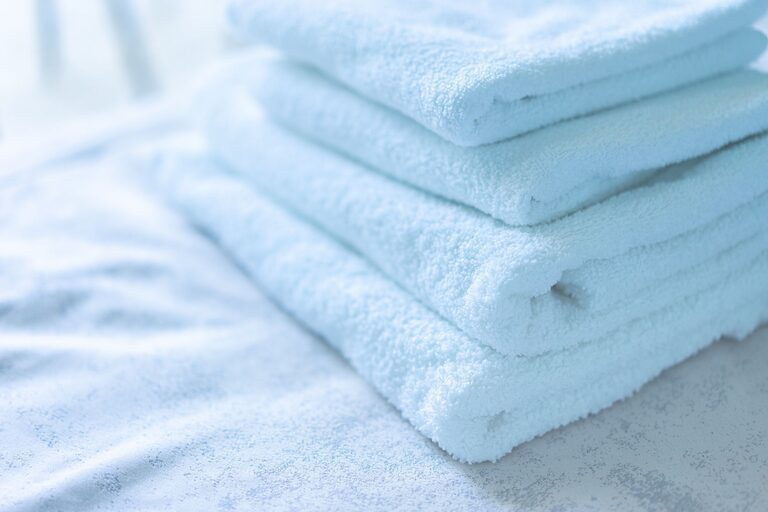
Towels work hard every day, absorbing water, body oils, soap, and moisture. Over time, they can develop a musty smell, feel stiff, or lose their softness. The good news is that a few simple laundry and storage habits can help towels stay fresh, fluffy, and comfortable.
From choosing the right wash cycle to avoiding too much detergent, these practical tips will help you care for bath towels, hand towels, washcloths, and kitchen towels.
Wash Towels Separately
Whenever possible, wash towels in their own load. Towels produce lint, especially when they are new, and they need plenty of room to move through the washer.
Washing towels separately also helps you:
– Use the right water temperature
– Avoid lint transferring to clothing
– Prevent zippers and buttons from catching on towel loops
– Give thick towels enough space to rinse thoroughly
– Sort towels by color more easily
Avoid overloading the washing machine. A tightly packed drum prevents water and detergent from reaching every part of the fabric. It can also leave towels poorly rinsed, which may contribute to stiffness or a lingering smell.
A good rule is to fill the drum loosely, leaving enough room for your hand to fit between the top of the laundry and the drum.
Use the Right Amount of Detergent
More detergent does not necessarily mean cleaner towels. In fact, too much detergent can leave a coating on the fibers. This buildup may make towels feel stiff, reduce absorbency, and trap odors.
Follow the instructions on your detergent bottle, and use less if you have a high-efficiency washing machine or soft water. If towels feel waxy or do not absorb water well, detergent buildup may be part of the problem.
Avoid using fabric softener with every towel load. Fabric softener coats the fibers to make them feel smooth, but that coating can reduce absorbency over time. If you enjoy the scent or feel of fabric softener, use it sparingly and follow the product instructions.
Choose a Suitable Water Temperature
Warm or hot water can help remove body oils and product residue from towels, but the best temperature depends on the care label and fabric color.
– Use warm water for most everyday towel loads.
– Use hot water only when the care label allows it.
– Use cold water for dark or brightly colored towels to help reduce fading.
– Wash white towels separately from colored towels.
Always check the care label before changing the temperature. Some towels contain decorative trim, special fibers, or dyes that require gentler washing.
Add an Extra Rinse When Needed
An extra rinse can help remove leftover detergent, especially if towels feel stiff, have a strong laundry smell, or seem less absorbent than before.
This setting may be especially useful when:
– You have sensitive skin
– You use powdered detergent
– Your washing machine uses little water
– You accidentally used too much detergent
– Towels have been washed with other heavily soiled items
A thorough rinse leaves fewer residues behind and can help towels feel cleaner without adding more products.
Try White Vinegar Occasionally
For towels that smell musty or feel coated, add a small amount of plain white vinegar to the washing machine’s fabric softener compartment during an occasional wash. It can help reduce detergent residue and unwanted odors.
Do not combine vinegar with chlorine bleach. Use one product or the other, and follow your washing machine and product instructions. Vinegar should be used occasionally rather than in every load, especially if your machine manufacturer recommends avoiding it.
Never pour cleaning products together. If you use bleach for white towels, follow the label directions carefully and run a complete rinse cycle.
Do Not Leave Wet Towels in the Washer
One of the easiest ways to create a musty smell is to leave damp towels sitting in the washing machine. After the cycle ends, transfer the towels to the dryer or clothesline as soon as possible.
If you forget a load and it develops an odor, wash it again before drying. Drying a musty towel may make the smell harder to remove.
To keep the washing machine fresh, leave the door or lid open between loads if it is safe to do so. Wipe the rubber seal and detergent drawer regularly, since moisture and residue can collect in these areas.
Shake Towels Before Drying
Give each towel a good shake before placing it in the dryer or hanging it up. This helps separate the fibers and prevents towels from drying in a tightly folded bundle.
Shaking towels can also:
– Reduce wrinkles
– Improve airflow
– Help the pile stand up
– Prevent damp spots
– Make towels feel softer after drying
Do not pack the dryer too tightly. Towels need space to tumble freely, and an overloaded dryer may leave the center of the load damp.
Dry Towels Completely
Damp towels can quickly develop an unpleasant smell, even when they were washed properly. Make sure towels are completely dry before folding and storing them.
If using a dryer, choose a medium setting when the care label permits. Very high heat can damage fibers over time and may cause shrinkage. Remove towels promptly when the cycle ends to reduce wrinkles.
If air-drying towels, spread them fully over a drying rack or clothesline. Avoid folding them over themselves while they are still wet, because the folded area may dry slowly.
In sunny weather, outdoor drying can provide fresh air and may help reduce odors. However, prolonged direct sunlight can fade dark or brightly colored towels, so rotate them or dry them in partial shade when needed.
Keep Towels Fresh Between Washes
Good habits between washes can make a noticeable difference. After using a towel, hang it fully open so air can circulate around it. Avoid leaving it in a heap on the floor, over the side of a hamper, or on a crowded hook.
Use separate hooks or rails when possible, especially in a shared bathroom. A towel that stays damp for long periods may begin to smell before its next wash.
Bath towels can often be used several times if they dry completely between uses. Hand towels and washcloths may need more frequent washing because they are used more often and stay damp longer.
Store Towels Properly
Store towels only when they are completely dry. Dampness trapped in a drawer or linen closet can lead to mildew-like odors and affect nearby fabrics.
For the best results:
– Keep towels in a dry, well-ventilated closet.
– Avoid storing them tightly against a damp bathroom wall.
– Fold or roll them loosely rather than compressing them.
– Rotate older towels into regular use.
– Keep clean towels away from cleaning products and strong scents.
If your linen closet tends to feel damp, improve airflow and avoid packing shelves too tightly.
Refresh Stiff or Smelly Towels
If towels have become stiff, dull, or less absorbent, wash them separately with the recommended amount of detergent and an extra rinse. Dry them thoroughly afterward.
For persistent odors, inspect the washing machine as well as the towels. A dirty detergent drawer, washer seal, or drain filter may contribute to unpleasant smells. Cleaning the machine according to the manufacturer’s instructions can help prevent the problem from returning.
With consistent washing, careful drying, and proper storage, towels can stay fresh and fluffy for much longer. The key is simple: avoid buildup, allow plenty of airflow, and never store towels while they are still damp.