
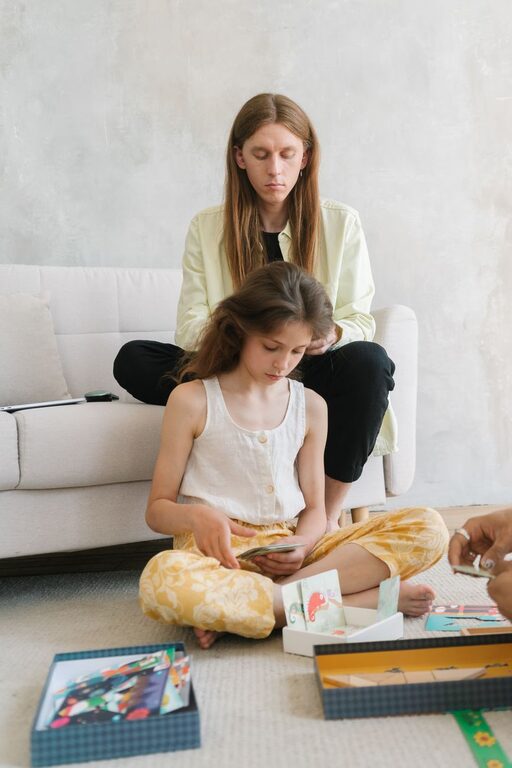
Family game night is a simple way to spend quality time together without leaving the house. You do not need a large collection of games, expensive equipment, or a perfectly planned schedule. With a few creative ideas and a relaxed attitude, you can turn an ordinary evening into a fun family tradition.
The best game nights give everyone a chance to participate. Some family members may enjoy strategy games, while others prefer quick challenges, guessing games, or activities that involve movement. By offering a mix of options, you can create an evening that works for different ages, interests, and energy levels.
Start With a Simple Plan
Before game night begins, decide how structured you want the evening to be. You can plan several games in advance or simply choose one activity and see where the night leads.
Consider these basic questions:
– How many people will play?
– What ages are participating?
– How much time do you have?
– Do you want quiet games, active games, or both?
– Are there games everyone already knows?
For younger children, shorter games may work best. Older children and adults may enjoy longer games with more strategy. If your group includes a wide range of ages, choose games with simple rules and optional challenges for advanced players.
It can also help to set a general schedule. For example, you might begin with a quick warm-up game, play a main board game, take a snack break, and finish with a creative activity.
Create a Game Night Theme
A theme can make the evening feel more special, even if you are playing familiar games. Choose a theme that matches your family’s interests and use it for the games, snacks, and decorations.
Around-the-World Night
Choose games, music, or snacks inspired by different places. You might play a geography trivia game, use a world map for a guessing activity, or prepare small snacks from several regions.
Game Show Night
Set up the living room like a game show. Create teams, prepare simple questions, and use a bell, timer, or homemade scorecards. Categories can include animals, movies, sports, nature, food, or family memories.
Pajama Game Night
Keep the evening comfortable with pajamas, blankets, and easy snacks. This theme works especially well for younger children and can include calm games, storytelling, and a family-friendly movie to finish the night.
Mystery Night
Create a simple mystery using clues hidden around the house. Players can work together to solve the puzzle, identify a secret object, or find a hidden prize. Keep the mystery light and age-appropriate.
Try Classic Board and Card Games
Classic games are popular for a reason: they are easy to find, simple to explain, and enjoyable for multiple generations. Choose games that match the time and attention span of your group.
Good options include:
– Checkers for a quick two-player challenge
– Chess for players who enjoy planning
– Card games for flexible group sizes
– Word games for readers and puzzle fans
– Dominoes for matching and counting practice
– Bingo for a relaxed activity
– Cooperative board games for teamwork
If one game is too long, agree on a shorter time limit or play a single round. You can also create a family tournament with several quick games. Give points for each round and offer a small homemade certificate to the overall winner.
Remember that the goal is to spend time together, not to prove who is the best player. For younger children, adjust the rules or provide a little help so they can stay involved.
Play Games With Little or No Equipment
You can have a great game night without buying anything. Many entertaining activities use only paper, pencils, or items you already have at home.
Charades
Write simple actions, animals, jobs, or movie titles on slips of paper. Players take turns acting out a word without speaking while everyone else guesses.
Twenty Questions
One person thinks of a person, place, animal, or object. The other players ask questions that can be answered with “yes” or “no” until someone guesses correctly.
Categories
Choose a category, such as fruits, animals, or things found in a kitchen. Go around the room and name an item that fits. A player is out, or loses a point, if they repeat an answer or cannot think of one within a set time.
Drawing Challenge
Give everyone paper and the same simple prompt, such as “a house on the moon” or “a silly pet.” Set a short time limit, then display the drawings and let everyone share their ideas.
Memory Game
Place several household objects on a tray. Let everyone look at them for one minute, then cover the tray and remove one item. Players try to identify what is missing.
Add Active Games for Extra Energy
If everyone has been sitting for a while, include a game that gets people moving. Active games can help reset the mood and are especially useful for families with young children.
Try a living room scavenger hunt with safe household items. Give players a list of objects to find, such as something blue, something soft, or an item that begins with a certain letter. Set clear boundaries and avoid areas where breakable objects are stored.
Another option is a simple obstacle course. Use pillows, chairs, and tape to create a safe path, leaving plenty of space for movement. Players can crawl, step over cushions, or balance along a taped line. Always remove items that could cause trips or falls.
You can also play “freeze,” where music plays while everyone moves and stops when the music pauses. The last person to freeze becomes the next leader.
Make Snacks Part of the Fun
Snacks can make game night feel festive without requiring a complicated meal. Choose foods that are easy to serve and do not create a mess around game pieces.
Ideas include:
– Popcorn in small bowls
– Fresh fruit
– Vegetable sticks with dip
– Crackers and cheese
– Mini sandwiches
– Pretzels
– Cookies or homemade snack mix
For a creative activity, let everyone build a personal snack plate. Set out several ingredients and invite players to create a fun design or themed snack. Keep drinks in cups with lids if games are being played near a table.
A short snack break between games gives everyone time to relax, talk, and choose the next activity.
Include Everyone in the Planning
Family game night becomes more enjoyable when everyone has a role. Take turns choosing the main game, preparing snacks, reading instructions, or keeping score.
You can create a small “game night jar” filled with folded slips of paper. Write different game ideas on the slips, then draw one when you need inspiration. Family members can add new ideas over time.
It is also helpful to make room for different comfort levels. Some people may not enjoy competition, while others may prefer teamwork. Include cooperative games, creative challenges, and activities where players can participate without keeping score.
Keep the Atmosphere Relaxed
Rules and scores can make games exciting, but they should not become the focus of the evening. Encourage friendly play, explain rules patiently, and allow younger players to ask questions.
If a game is not working, switch to something else. A successful family game night is not measured by how many games you finish. It is measured by whether everyone feels welcome and enjoys spending time together.
Consider ending the evening with a simple family vote. Ask everyone to name their favorite game, snack, or moment. Use the answers to plan the next game night.
With a little preparation and plenty of flexibility, family game night can become a favorite weekly or monthly tradition. Whether you play a classic board game, act out silly clues, or create your own challenge, the most important part is sharing laughter and time together.