
Why Start a Daily Journaling Habit?
Journaling is the simple practice of writing down your thoughts, experiences, questions, or plans. You do not need special training, perfect grammar, or a creative writing background to begin. A notebook and a few quiet minutes are enough.
Writing regularly can help you slow down and pay closer attention to your day. It can also give you a place to organize ideas, record memories, notice patterns, and set priorities. The goal is not to create a perfect record. The goal is to create a useful space for honest reflection.
Like any habit, daily journaling becomes easier when it fits naturally into your routine. Starting with a small, manageable practice is often more effective than trying to write several pages right away.
Choose a Journaling Method
There is no single correct way to journal. The best method is the one you enjoy and can maintain. Try one approach for a week or two, then adjust it if needed.
Free writing
Free writing means putting your thoughts on the page without following a set format. Write whatever comes to mind, even if the first few lines feel ordinary. You might begin with, “Today I am thinking about…” and continue from there.
Guided journaling
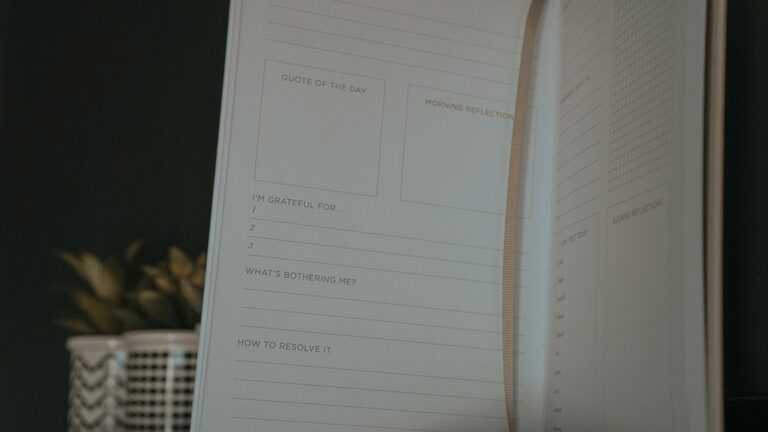
Guided journaling uses prompts or questions. This method is useful when you are not sure what to write. Prompts can focus on your plans, experiences, observations, or personal goals.
Gratitude journaling
A gratitude journal is a place to record things you appreciate. These can be simple details, such as a good meal, a helpful conversation, or a pleasant walk. Specific examples are usually more meaningful than general statements.
Bullet journaling
Bullet journaling combines short notes, lists, tasks, and observations. It can be a practical option if you prefer structure over long paragraphs. You might use symbols or headings to separate tasks, ideas, and events.
How to Begin Your First Entry
Your first entry does not need to be impressive. Start by writing the date and a few sentences about your current experience. You could describe what you did, how your day felt, or what is on your mind.
If you feel stuck, answer one or more of these questions:
- What happened today?
- What caught my attention?
- What went well?
- What felt difficult or frustrating?
- What would I like to remember?
- What is one important task for tomorrow?
Writing a short entry is still journaling. Even three honest sentences can help you build momentum.
Set a Realistic Daily Routine
Consistency matters more than length. Choose a time when you are usually available, such as after breakfast, during a lunch break, or before bed. Attaching journaling to an existing habit can make it easier to remember.
Start with five minutes a day. If you naturally want to continue, you can write longer, but do not make extra time a requirement. A small routine is easier to maintain during busy weeks.
Consider creating a simple routine like this:
- Choose a comfortable place.
- Set a timer for five to ten minutes.
- Write the date and a starting sentence.
- Continue without worrying about spelling or style.
- Finish by noting one thought, task, or intention for the next day.
You can journal in a paper notebook, a notes app, or a dedicated writing program. Choose the format that is convenient and comfortable. Some people prefer handwriting because it feels slower and more personal. Others prefer digital writing because it is searchable and easy to carry.
Use Prompts When You Need Direction
Prompts can keep your journal from becoming repetitive. You do not need to answer a new question every day, but having a list nearby can help when you have little time or inspiration.
Daily reflection prompts
- What was the most memorable part of today?
- What did I learn?
- What conversation or idea stayed with me?
- What did I enjoy?
- What could I handle differently next time?
Planning prompts
- What are my top three priorities today?
- What is one small step I can take toward a goal?
- What might distract me, and how can I prepare?
- What would make today feel productive?
Creative prompts
- Describe a place using all five senses.
- Write about an object that has personal meaning.
- Begin a story with a surprising discovery.
- Describe an ordinary moment as if it were important.
Keep Your Entries Simple and Honest
Many beginners stop journaling because they think every entry must be thoughtful or well written. A journal is not a school assignment. It does not need a clear conclusion, polished sentences, or an interesting story.
Write in the way that feels natural. You can use short phrases, lists, sketches, questions, or longer paragraphs. You can also record practical details, such as what you cooked, where you went, or what you want to remember.
Try not to edit yourself while writing. If you worry about whether your words sound good, you may lose the benefits of simply noticing and recording your thoughts. Let the first draft be informal.
Make the Habit Easier to Maintain
Even a simple habit can be interrupted by travel, busy schedules, or low motivation. Planning for these situations can help you continue without feeling that you have failed.
- Keep your notebook where you will see it.
- Use a small notebook if you want something portable.
- Write a few bullet points on especially busy days.
- Set a gentle reminder on your phone or calendar.
- Keep a short list of favorite prompts.
- If you miss a day, begin again without trying to catch up.
Missing a day does not erase your progress. The most useful response is simply to return to the habit at the next available opportunity. Avoid turning journaling into another source of pressure.
Review Your Journal Occasionally
Journaling is mainly about the act of writing, but reviewing old entries can add another useful layer. Once a week or once a month, look back at a few pages and notice recurring ideas, enjoyable moments, unfinished tasks, or changes in your interests.
You might ask yourself:
- What topics appear often?
- What activities give me energy?
- Which goals still matter to me?
- What patterns do I notice in my routines?
You do not need to analyze every entry. A brief review can show how your perspective changes over time and help you decide what to focus on next.
Start Small and Keep Going
Daily journaling does not require a complicated system. Choose a format, set aside a few minutes, and write about what is present in your life today. Some entries may be detailed, while others may contain only a few lines. Both are valid.
The most important part is creating a routine that feels useful rather than demanding. With regular practice, your journal can become a trusted place for reflection, planning, memories, and ideas. Begin with one page, one prompt, or one sentence today.