
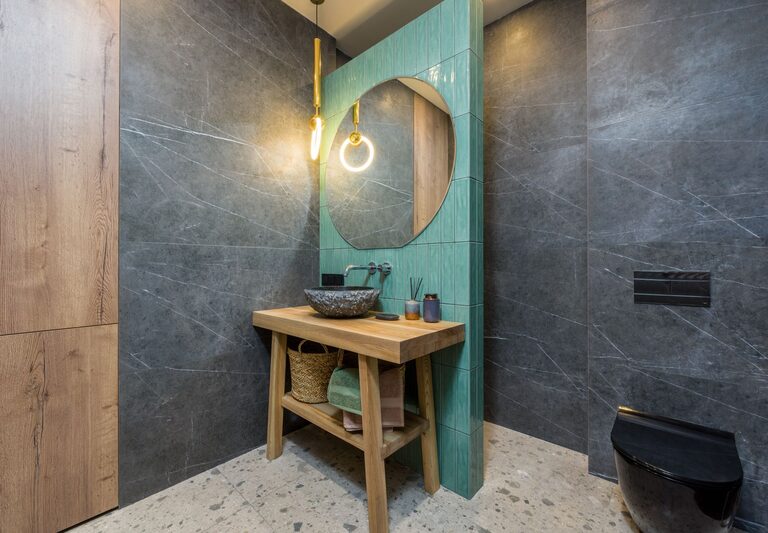
A minimalist bathroom is clean, comfortable, and easy to maintain. It does not need to feel empty or cold. With thoughtful choices, you can create a space that looks calm, works efficiently, and includes everything you need.
Minimalism is less about owning as little as possible and more about removing distractions. The goal is to keep useful items within reach while giving every product and feature a clear purpose.
Start With a Simple Plan
Before buying new storage or accessories, look at how your bathroom is used each day. Notice which items stay on the counter, which products are rarely used, and where clutter tends to collect.
Make a short list of your bathroom essentials, such as:
– Hand soap
– Toothbrushes and toothpaste
– Towels
– Toilet paper
– Shampoo and body wash
– Skincare products
– Cleaning supplies
– A small wastebasket
Next, decide what can be stored away. A minimalist setup usually keeps only daily-use items visible. Everything else can go in a drawer, cabinet, or neatly labeled container.
If you are redesigning the room, measure the available space before choosing furniture or fixtures. Accurate measurements help prevent overcrowding and make it easier to select practical storage.
Choose a Calm Color Palette
A simple color palette can make a bathroom feel more open and organized. Light colors are popular because they reflect light and help small rooms appear larger.
Consider using:
– White or warm off-white walls
– Light wood accents
– Soft gray or beige tiles
– Matte black or brushed metal fixtures
– One muted accent color
Using too many colors can make the space feel busy. Instead, choose one main color, one supporting neutral, and a small accent shade.
This does not mean everything must match perfectly. Texture can add interest without creating visual clutter. For example, combine smooth tile with a woven basket, a cotton towel, or a wood shelf.
Focus on Functional Fixtures
Minimalist design works best when the main fixtures are practical and visually simple. Select pieces with clean lines and finishes that are easy to maintain.
A wall-mounted sink or floating vanity can make the floor feel more open. If you need storage, choose a vanity with drawers rather than a model with several small compartments. Drawers often make it easier to organize daily products.
For a shower, a simple glass panel can create a more open appearance than a bulky curtain or framed enclosure. A handheld showerhead can also add flexibility, especially when cleaning the space.
When replacing fixtures, prioritize durability and ease of cleaning. A beautiful feature that requires constant care may not support a truly minimalist routine.
Create Smart Storage
Good storage is one of the most important parts of a minimalist bathroom. Clutter often appears when items do not have a designated place.
Use Drawers and Cabinets
Group similar products together so they are easy to find. For example:
– Keep dental care items in one drawer
– Store hair products together
– Place extra towels on one shelf
– Keep cleaning products in a separate cabinet
Small containers can help divide drawers, but avoid filling every space with organizers. Use only what makes the area easier to use.
Add Vertical Storage
If floor space is limited, use the walls. A narrow shelf, wall-mounted cabinet, or simple peg rail can provide useful storage without taking up much room.
Open shelves work well for attractive essentials such as folded towels or a small plant. However, too many visible products can make the bathroom look crowded. Keep open shelving limited to a few carefully chosen items.
Use Matching Containers
Original product packaging often has different colors, shapes, and labels. Moving frequently used items into matching refillable containers can create a more consistent look.
This approach works well for hand soap, shampoo, conditioner, and body wash. Choose containers that are waterproof, easy to clean, and clearly labeled when needed.
Keep the Countertop Clear
A clear countertop can make the entire bathroom feel more organized. Keep only the items you use every day in this area.
A simple setup might include:
– One soap dispenser
– A small tray for daily products
– A toothbrush holder
– One decorative item, such as a small plant
A tray can make several items look intentional instead of scattered. It also makes cleaning easier because you can move the group at once.
If your counter is constantly crowded, use that as a sign that some items need a better storage location. Consider a drawer organizer, wall-mounted cup, or cabinet shelf.
Select Textiles Carefully
Towels and bath mats can add softness and comfort while keeping the design simple. Choose a small collection in coordinating colors rather than buying many different patterns.
Two or three towel colors are usually enough. Neutral shades create a relaxed look, while a single deeper color can add contrast.
Look for bath mats that dry quickly and are easy to wash. A thick mat may feel comfortable, but it can take longer to dry and may require more frequent care. Choose the style that fits your routine and the room’s ventilation.
Fold towels consistently to create a neat appearance. You can store them on a shelf, in a basket, or inside a vanity, depending on the available space.
Improve Lighting
Good lighting makes a bathroom more useful and welcoming. If possible, combine general lighting with focused lighting near the mirror.
A simple lighting plan may include:
– An overhead light for the whole room
– Wall lights or a mirror light for grooming
– Natural light from a window, if available
Choose bulbs with a comfortable brightness and a color that makes the room feel natural. Very harsh lighting can make the space feel less relaxing, while dim lighting may make everyday tasks difficult.
Keep window areas clear when possible so natural light can travel through the room. A simple privacy shade can provide coverage without making the bathroom feel closed in.
Add a Few Thoughtful Details
Minimalism does not mean removing all personality. A few carefully selected details can make the bathroom feel finished.
Consider adding:
– A small low-maintenance plant
– A framed print in a moisture-friendly location
– A wooden stool or bath caddy
– A simple mirror with a clean frame
– One decorative container
Choose items that are useful, durable, or genuinely enjoyable to look at. Avoid adding accessories simply to fill empty space.
Plants can work well in bathrooms with suitable light and ventilation. If natural light is limited, choose a plant that suits those conditions or use a realistic artificial option.
Build a Simple Cleaning Routine
A minimalist bathroom is easier to maintain when cleaning is part of a regular routine. A few minutes of daily care can prevent buildup and reduce the need for deep cleaning.
Try this basic schedule:
Daily
– Wipe the sink after use
– Hang towels so they can dry
– Return products to their storage area
– Remove visible hair or debris
Weekly
– Clean the toilet, sink, and shower
– Wash towels and bath mats
– Wipe shelves and cabinet fronts
– Empty the wastebasket
Monthly
– Check product expiration dates
– Clean drains and hard-to-reach areas
– Declutter one drawer or cabinet
– Wash shower curtains or clean glass panels
Keep basic cleaning supplies together in one easy-to-reach location. A small caddy can prevent bottles and brushes from spreading throughout the room.
Declutter Regularly
Even a well-designed bathroom can become cluttered over time. Set aside a few minutes every month to review what you own.
Remove products that are empty, damaged, unused, or no longer suitable for your routine. Avoid keeping items just because they might be useful someday. If you regularly avoid using a product, it may not deserve valuable storage space.
When buying something new, consider whether it replaces an existing item or adds another responsibility. This simple habit helps maintain the balance of a minimalist setup.
Final Thoughts
Creating a minimalist bathroom is a process of simplifying your surroundings without sacrificing comfort. Start with the essentials, choose a calm palette, improve storage, and keep surfaces easy to clean.
The most successful setup is one that supports your daily routine. When every item has a purpose and a place, the bathroom becomes easier to use, easier to maintain, and more relaxing to enter.